Capitals of the future

Nusantara, Putrajaya and Singapore as Sites of Futuring

Sites of futuring

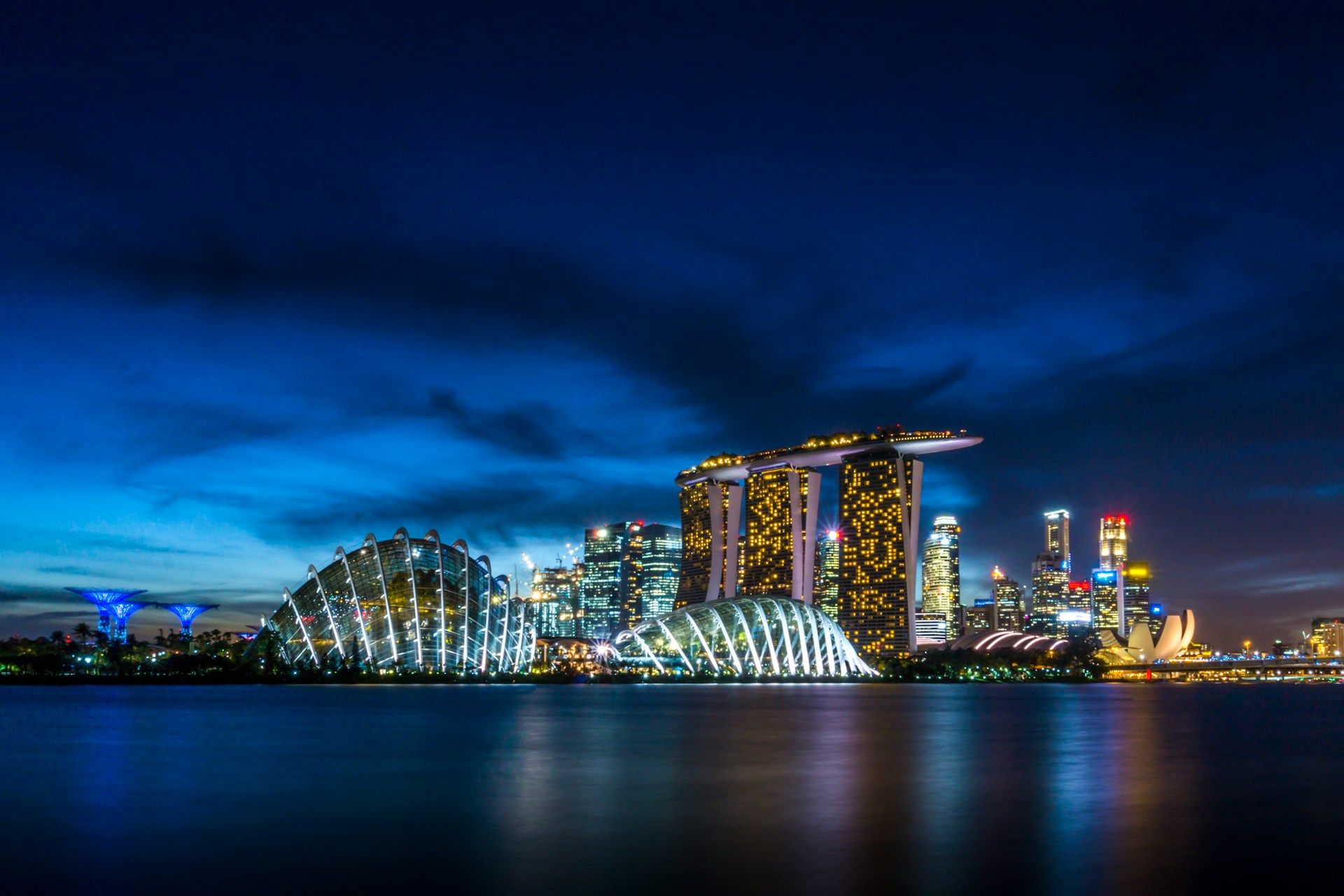
We are inspired by the work of Pierre Nora on lieu de mémoire (sites of memory) to understand their temporal counterpart, where some cities are imagined as instantiations of the future. In our research, we are examining greenfield urban sites of futuring that are rising as new capital cities (Nusantara), administrative centres (Putrajaya) and business and cultural hubs (Marina Bay, Jurong Industrial Estate, and Jurong Lake District in Singapore). This website documents our research explorations and beyond to other similar cities and districts that are being built or planned in Asia and the world.

3 cities

Place, power and possibility

Singapore

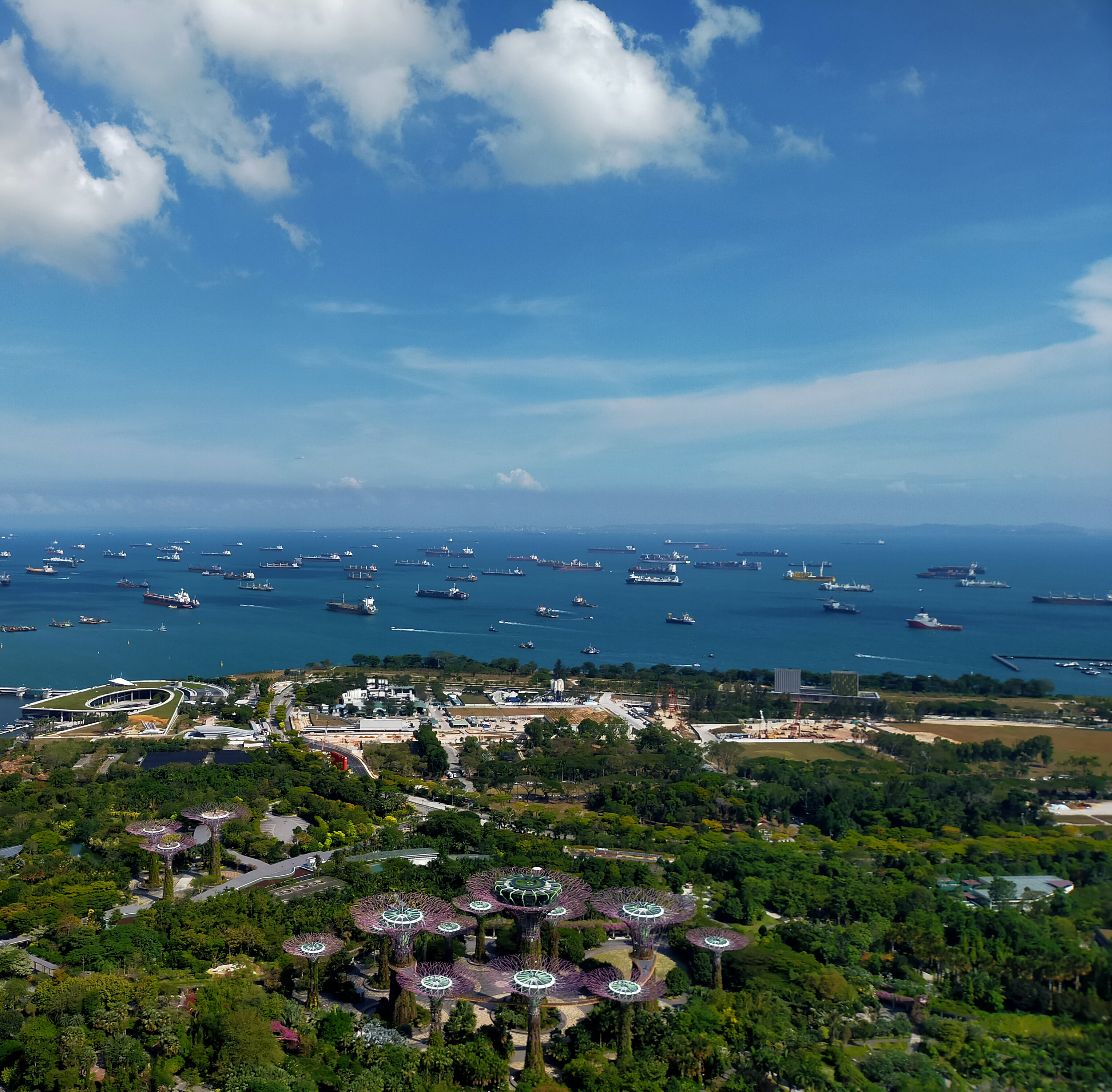
Ambitious and futuristic urbanization began in earnest with the development of industrial Jurong Town in 1961 and the city-state has not looked back since. Our research then scrutinized the historical and the future of Jurong and also the Marina Bay continuous development and improvement.

Discover Singapore

Nusantara

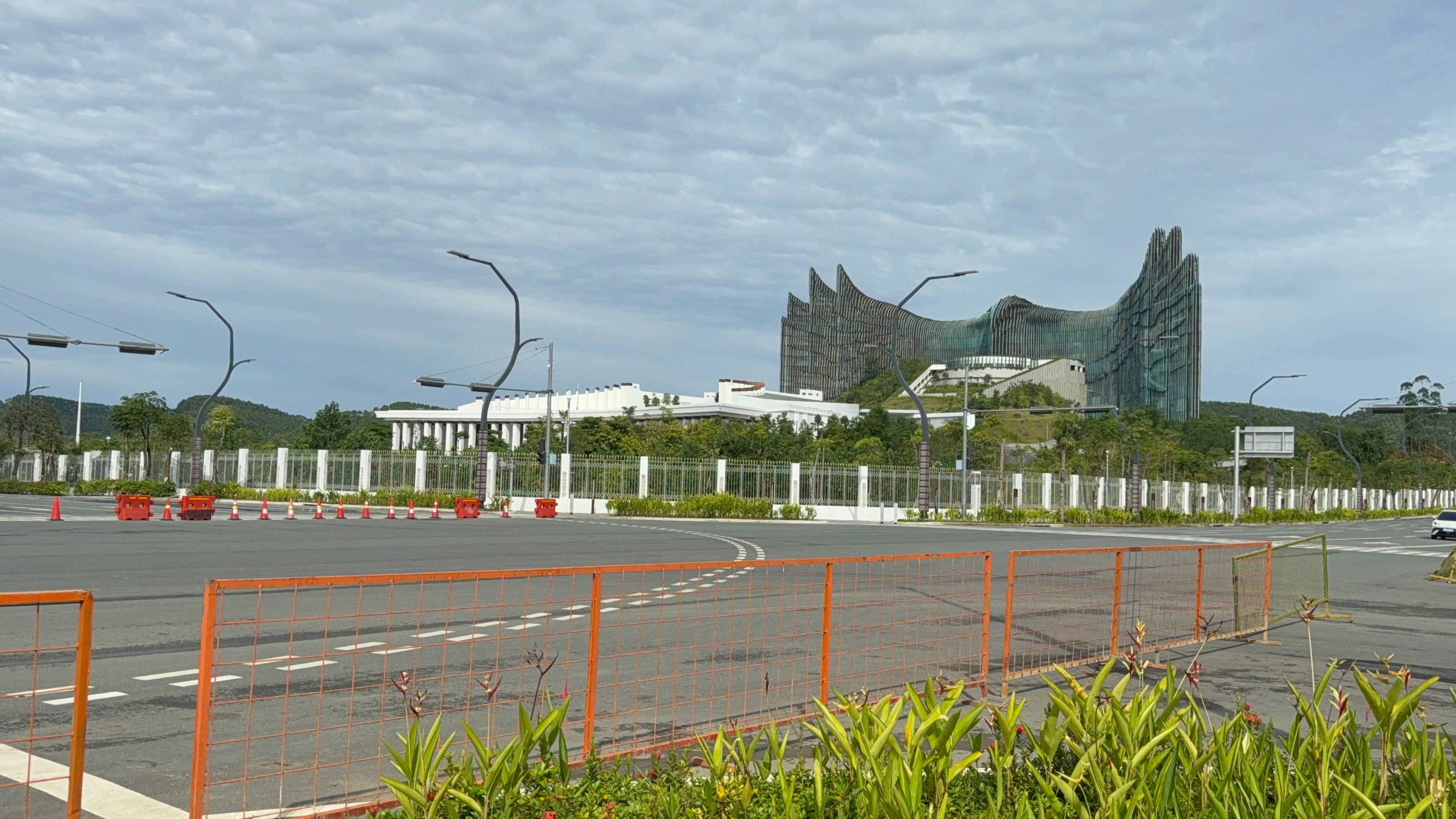
Initiated with the conceptualization, masterplan, and urban design competition in 2019, Nusantara began to be effectively built and expanded in 2022 post-COVID, finished the 1st phase of the development in 2024, and is currently under the 2nd stage until 2029, the end of the presidency of Prabowo Subianto. Prabowo stated that he and the entire national government will be officially relocated to Nusantara at the beginning of 2029.

Discover Nusantara

Putrajaya

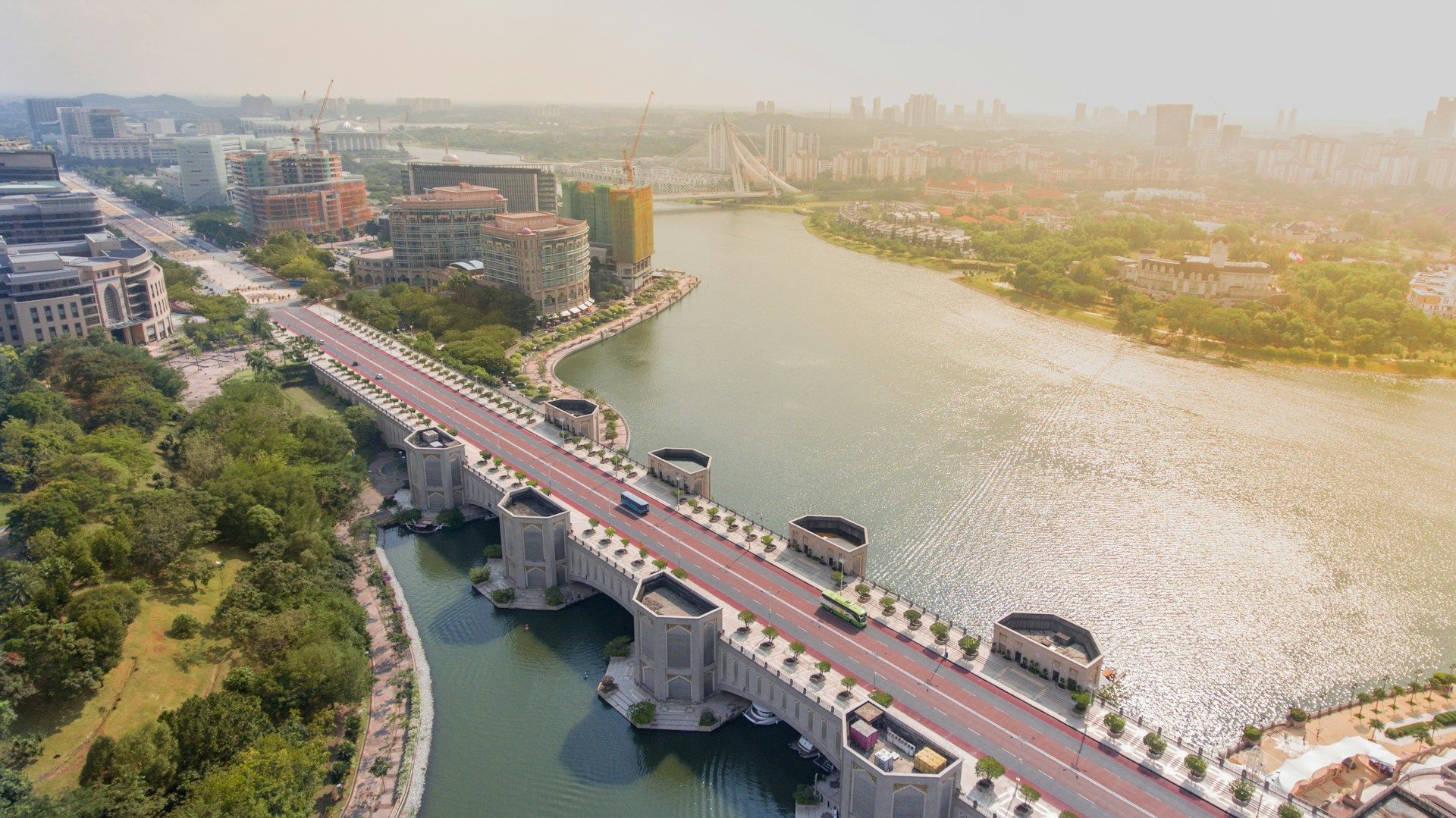
Construction began in 1995 for the new administrative center off Kuala Lumpur, planned as a garden city with new Islamic architecture sited next to Cyberjaya. The year 2025 marked the 30 years of the Putrajaya development while it is still expanding to improve the socio-economic infrastructures.

Discover Putrajaya

Upcoming events

Symposium: Cities as Sites and Techniques of Futuring
This international workshop was successfully organized by the Asia Research Institute (ARI), National University of Singapore, funded by the Singapore Ministry of Education Academic Research Fund Tier 2 grant (MOE-T2EP40222-0001) on Capitals of the Future: Place, Power and Possibility in Southeast Asia. See more details of our symposium back in 2025 here, https://ari.nus.edu.sg/events/cities-as-sites/

Aug 19, 2025
View all events

Latest research

Project time: The politics of speed in the making of Nusantara

Tim Bunnell, Priza Marendraputra, Anders Moeller, Andrew Schauf

Sage Publishing, Urban Studies

The decision to build a new Indonesian capital city on Borneo in 2019 sparked broad concern and criticism. The first-phase timeline, targeting the inauguration of the central government core area before the end of Joko Widodo’s presidential term, was widely judged as unrealistic. A rush on developing critical infrastructure for “Nusantara,” as the new capital project was known from 2022, cast further doubt on long-term prospects. This article examines the politics of Nusantara’s fast-tracked development from a vantage point after the end of Jokowi’s time as president, exemplifying and extending aspects of extant critical urban studies research on fast urbanism. Leveraging the concepts of projectization and friction, we show how the politics of speed can have a variety of direct consequences and spillover effects. The circumscribed political timeline for Nusantara’s core area has drawn attention to (in)completion and problematic implementation processes. Yet in overcoming politico-bureaucratic inertia, the project has also been generative of a range of new urban aspirations, imaginaries, and innovations, as well as the destructive outcomes and legacies that have been documented in recent urban research on speed.

Feb 13, 2026

The relocation of Indonesia’s capital to the IKN (Ibu Kota Negara) Nusantara in East Kalimantan is leading to significant changes in land use, shifting from natural vegetation and agriculture to urban infrastructure. This transition brings about economic diversification and urban expansion, but it also raises concerns about its impact on society, the economy, and the environment. The rapid development affects biodiversity conservation, food security, and the livelihoods of rural and Indigenous communities, leading to conflicts across social and economic dimensions. This research uses qualitative and quantitative data to examine the socio-economic and environmental changes in the IKN Nusantara area from 2003 to 2023. The findings show a notable increase in built-up areas, indicating urbanization and a decrease in agricultural land. The study discusses the implications for local populations and ecosystems, emphasizing the need for inclusive governance, community participation, and conflict resolution. It also proposes a comprehensive policy framework that promotes sustainable land management, recognizes Indigenous and local rights, and fosters inclusive economic growth to respect Indonesia’s rich environmental and cultural heritage.

Apr 30, 2024

View all research

Latest news

View all news